
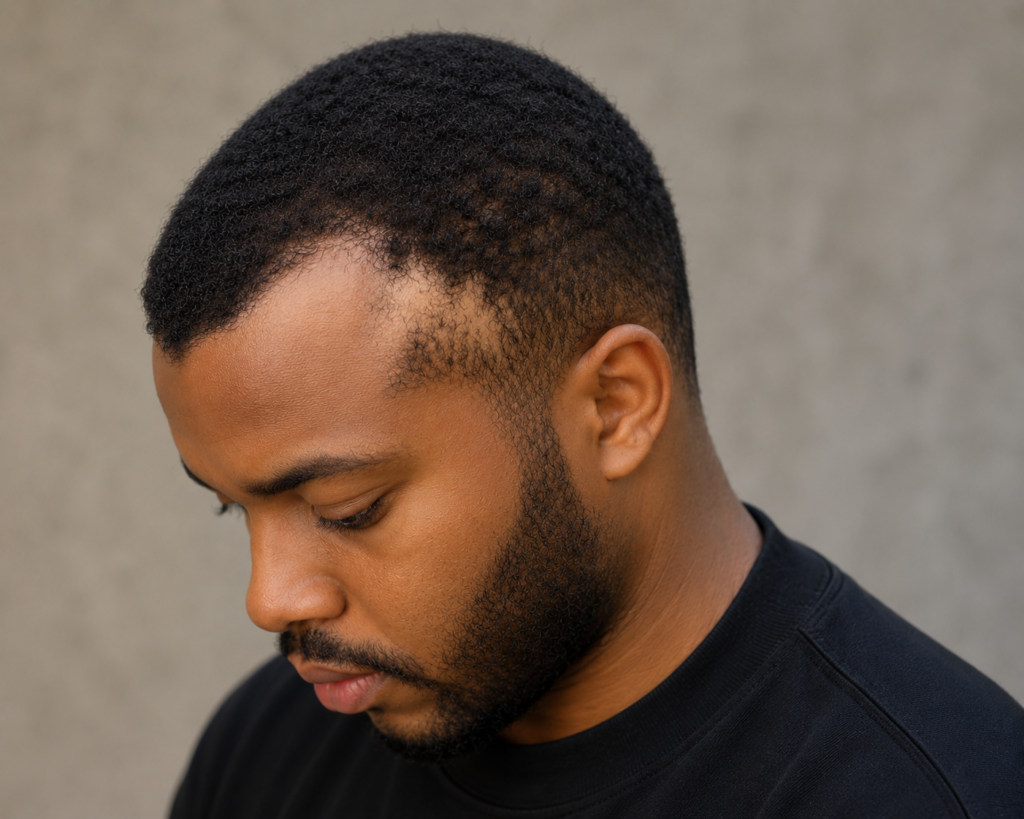
Hair is deeply connected to identity, culture and confidence for many people. When it begins to fall out unexpectedly, the experience can therefore be worrying and emotionally difficult.
September is Alopecia Awareness Month, making it an important opportunity to talk openly about hair loss, challenge misconceptions and remind people experiencing it that professional support is available.
At Healthy Me Medical Centre in Durban, hair and scalp conditions form an important part of medical dermatology.
What Is Alopecia?
The word “alopecia” broadly refers to hair loss. There are many different forms of hair loss, and importantly, they do not all have the same cause.
One condition that receives particular attention during Alopecia Awareness Month is alopecia areata.
Alopecia areata is an autoimmune condition. This means the body’s immune system mistakenly targets hair follicles, resulting in hair loss.
It can affect people of different ages, genders and backgrounds.
Hair loss may appear as one or more smooth patches on the scalp, but alopecia areata can sometimes affect other hair-bearing areas of the body as well.
Not Every Type of Hair Loss Is Alopecia Areata
One of the reasons professional diagnosis is so important is that hair loss has many possible causes.
These can include:
Androgenetic alopecia: Commonly known as male- or female-pattern hair loss, this type is influenced by genetic and hormonal factors.
Traction alopecia: Repeated tension on the hair follicles from certain tight hairstyles can contribute to hair loss.
Telogen effluvium: Increased shedding can sometimes occur following significant physical or emotional stress, illness or other changes affecting the normal hair-growth cycle.
Scalp disorders: Inflammation, infection and certain dermatological conditions can also contribute to hair loss.
Scarring alopecia: Some inflammatory disorders can permanently damage hair follicles. Early dermatological assessment can therefore be particularly important.
Because different forms of hair loss can look similar, trying treatments without first identifying the underlying cause may delay appropriate care.
What Happens During a Hair-Loss Assessment?
A dermatologist will usually begin by asking about your medical history and the pattern and duration of your hair loss.
Questions may include:
- When did the hair loss begin?
- Was the hair loss gradual or sudden?
- Is there a family history of hair loss?
- Are you experiencing itching, scaling or scalp discomfort?
- Have you recently experienced an illness or major change in your health?
- What medications or supplements are you taking?
- What hair-care and styling practices do you use?
Your dermatologist will then examine your scalp and hair.
Depending on your symptoms and suspected diagnosis, additional investigations may sometimes be necessary. These could include blood tests or, in selected cases, a scalp biopsy.
The objective is not simply to treat “hair loss”. It is to understand why the hair loss is occurring.
Can Alopecia Be Treated?
Treatment depends entirely on the diagnosis.
For alopecia areata, treatment decisions may depend on factors such as the patient’s age, how much hair has been lost, where the hair loss has occurred and how long it has been present.
There is no single treatment that works for every person.
Depending on the type and severity of hair loss, a dermatologist may recommend monitoring, topical treatments, injectable treatments, oral medication or other appropriate therapies.
Some people with alopecia areata experience spontaneous regrowth, while others may experience recurring or more persistent disease.
This uncertainty is another reason ongoing professional care can be valuable.
Hair Loss Can Affect More Than Your Scalp
It is important not to dismiss the emotional impact of hair loss.
Hair loss can affect confidence, self-image and social wellbeing. For some people, the uncertainty surrounding whether their hair will regrow can be particularly difficult.
Patients deserve to have these concerns taken seriously.
Seeking medical advice is not being overly concerned about appearance. Hair loss can be a genuine medical issue, and understanding its cause can help patients make informed decisions about their care.
Avoid the “Miracle Hair Growth” Trap
Hair loss is surrounded by countless products, supplements and online claims promising rapid regrowth.
Be cautious.
A product that may be useful for one type of hair loss may be ineffective — or inappropriate — for another.
Instead of spending months trying different products without understanding what is causing your hair loss, consider starting with a professional assessment.
You Do Not Have to Navigate Hair Loss Alone
Alopecia Awareness Month reminds us that hair loss deserves greater understanding, less stigma and better access to appropriate medical care.
Whether you have noticed a small bald patch, excessive shedding, gradual thinning, scalp irritation or another unexplained change, an assessment by a dermatologist can help identify the cause and establish an appropriate treatment plan.
Healthy Me Medical Centre provides professional assessment and treatment for hair and scalp conditions as part of its comprehensive dermatology services.
Contact us today to schedule an appointment with one of our Specialist dermatologists.